
The future is today
Giulia Piermartiri and Edoardo Delille tell, through images, the inertia of the present and the anxieties of the future in an atlas of saturated colors that explores the effects of climate change.
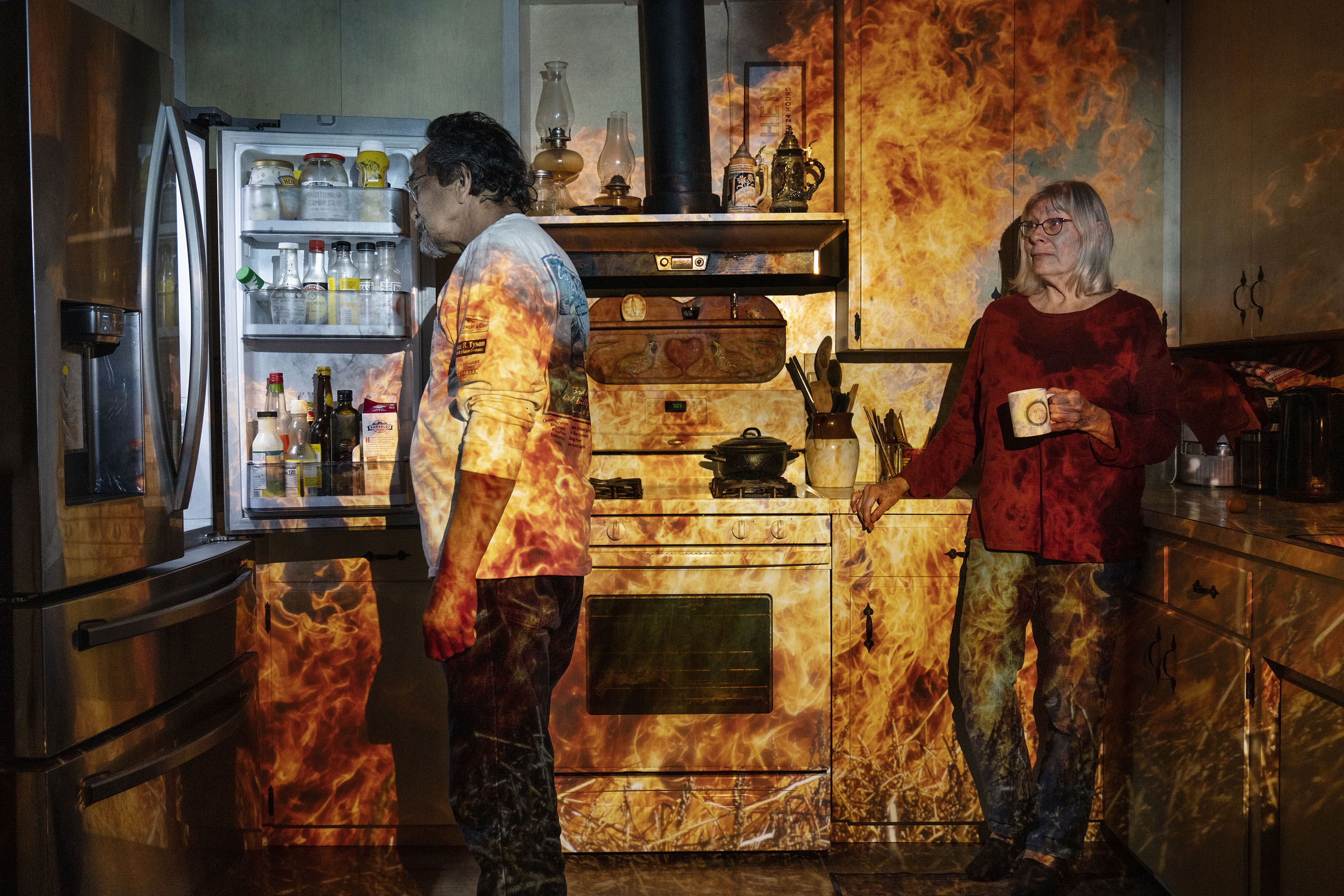
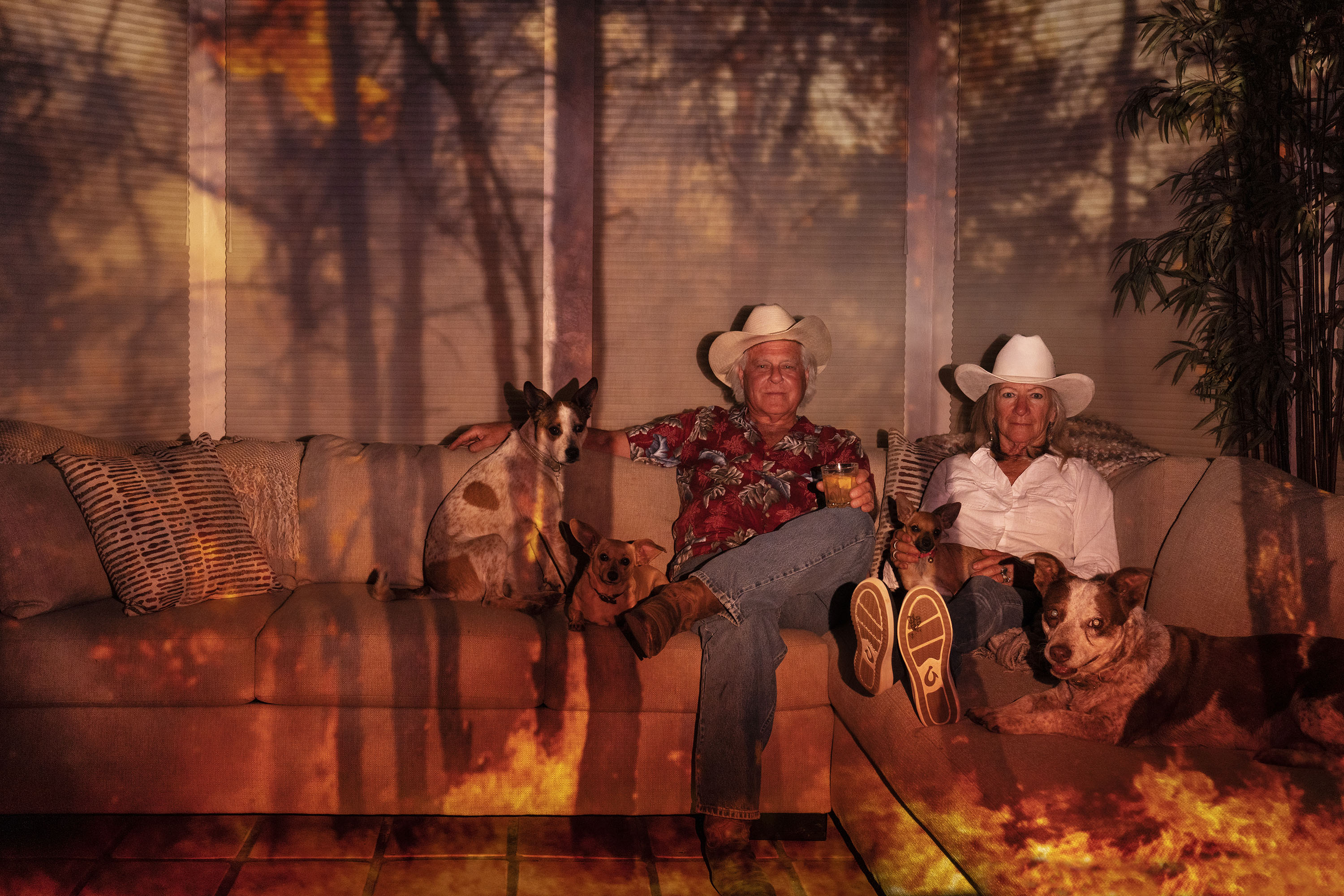
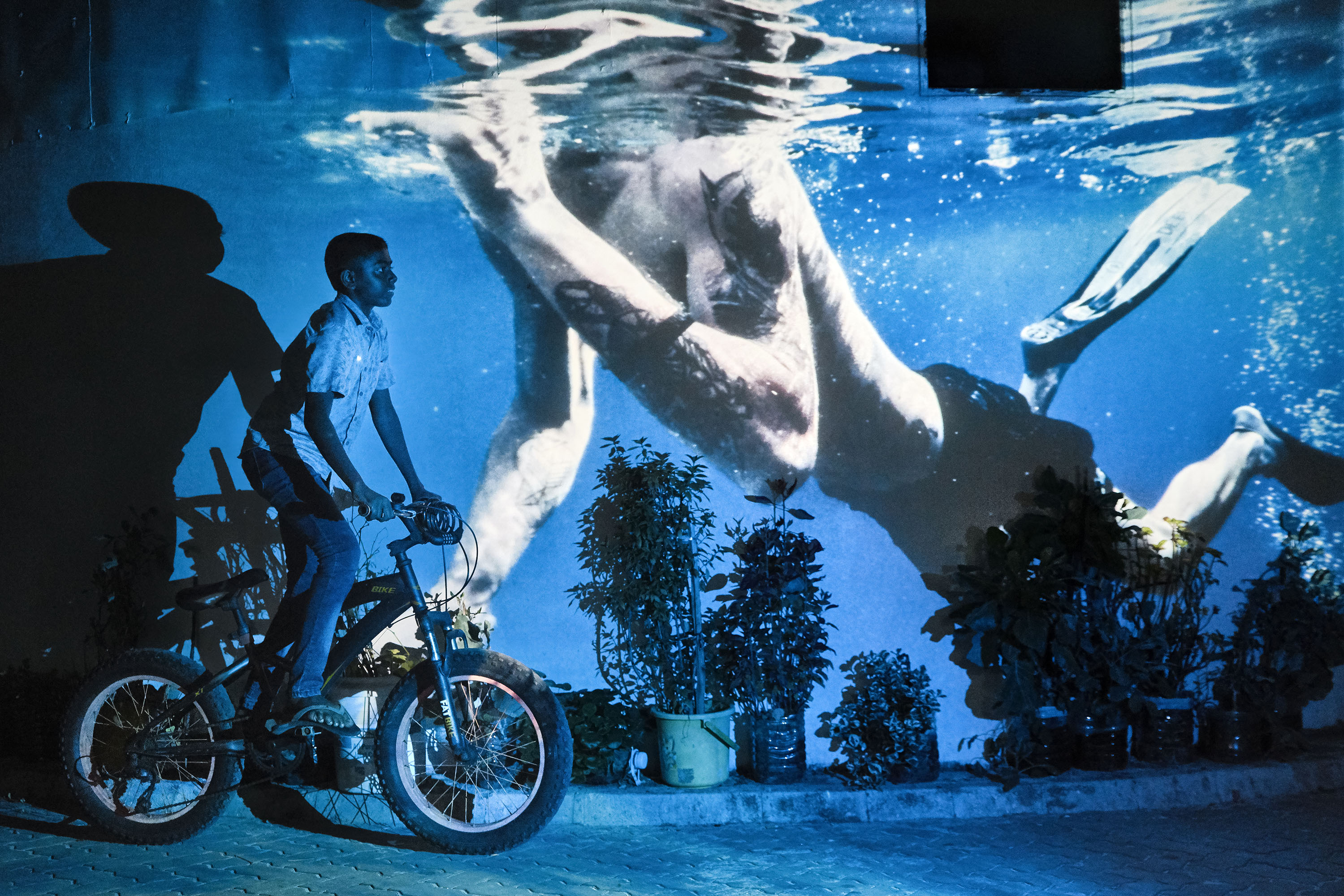
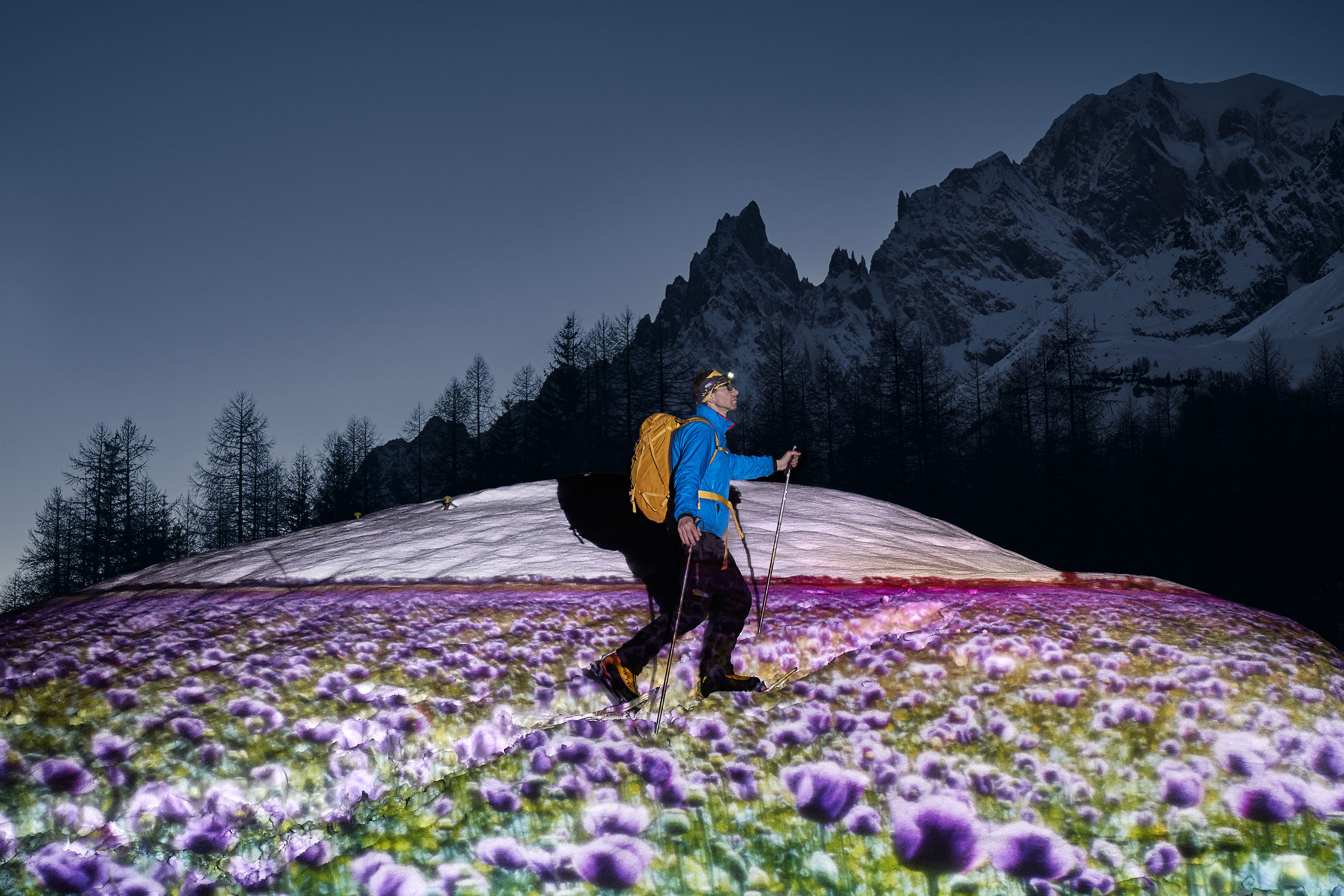
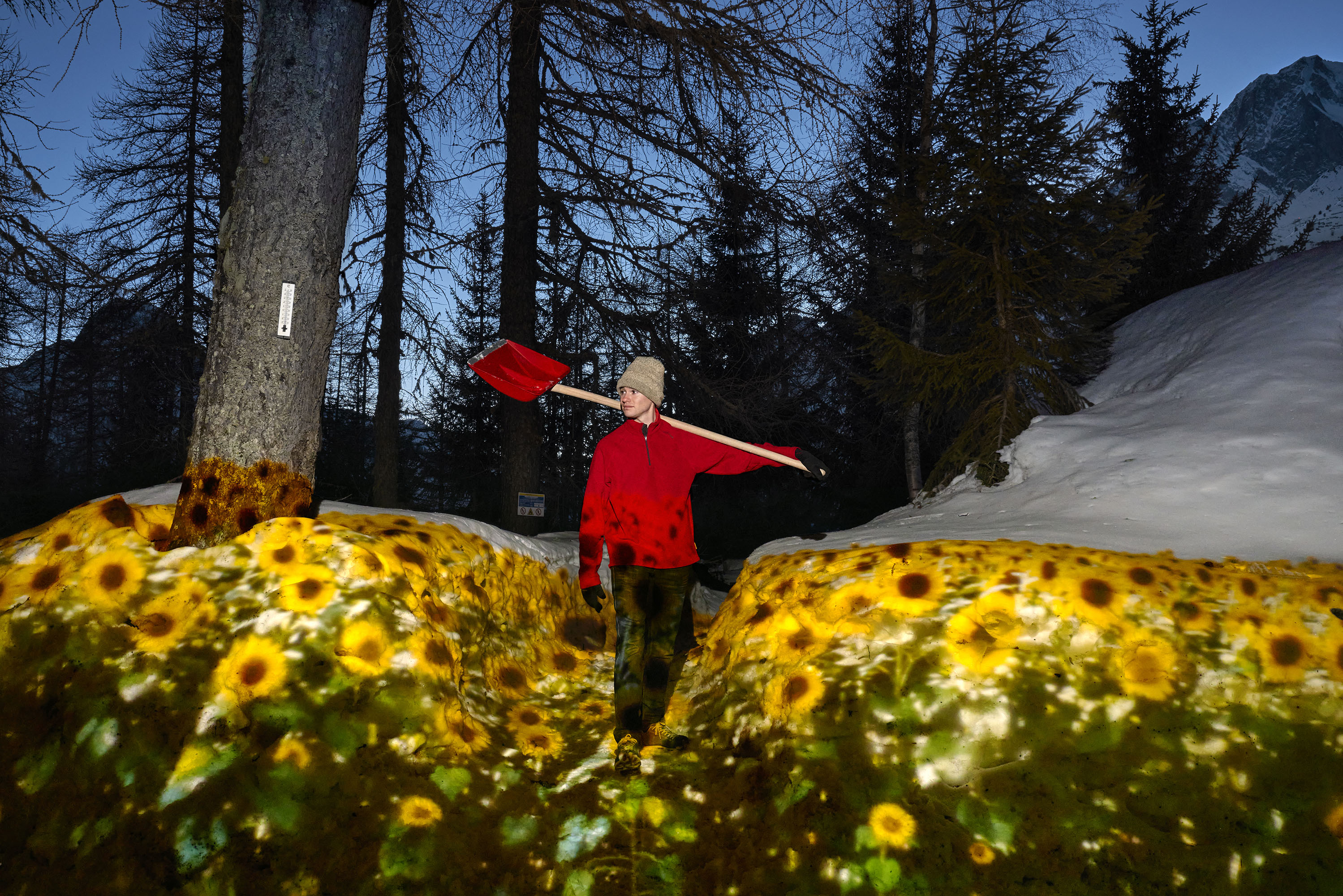
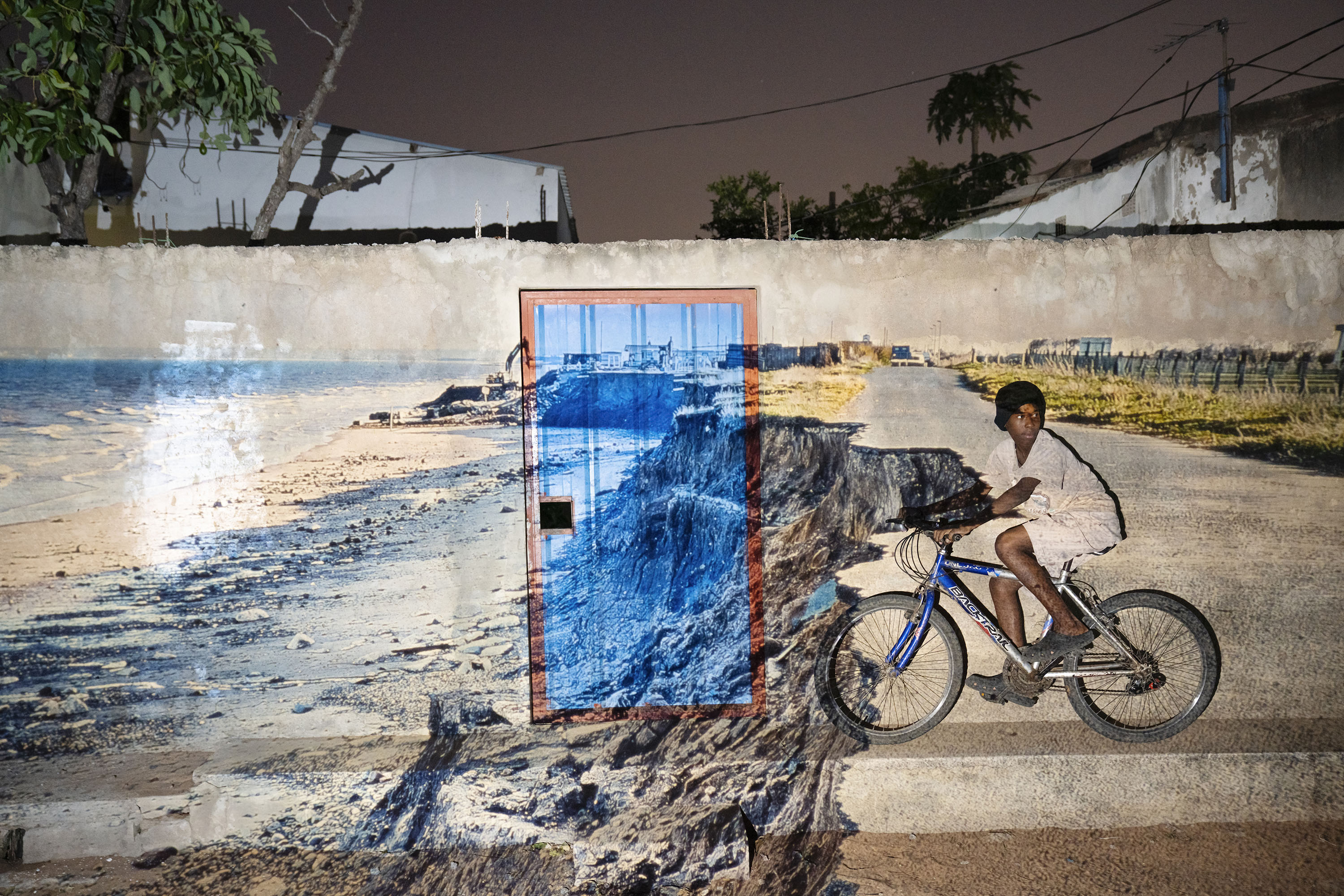
Fish projected onto the Maldives, the first islands set to disappear as sea levels rise. Sunflowers and blooming fields layered over glaciers that now survive only in memory. Fires digitally decorating the Californian trailers of those who have already lost their homes, precisely because of the flames. These are just some of the images that narrate and encapsulate the traveling project Atlas Of The New World, a photographic book created by Edoardo Delille and Giulia Piermartiri.
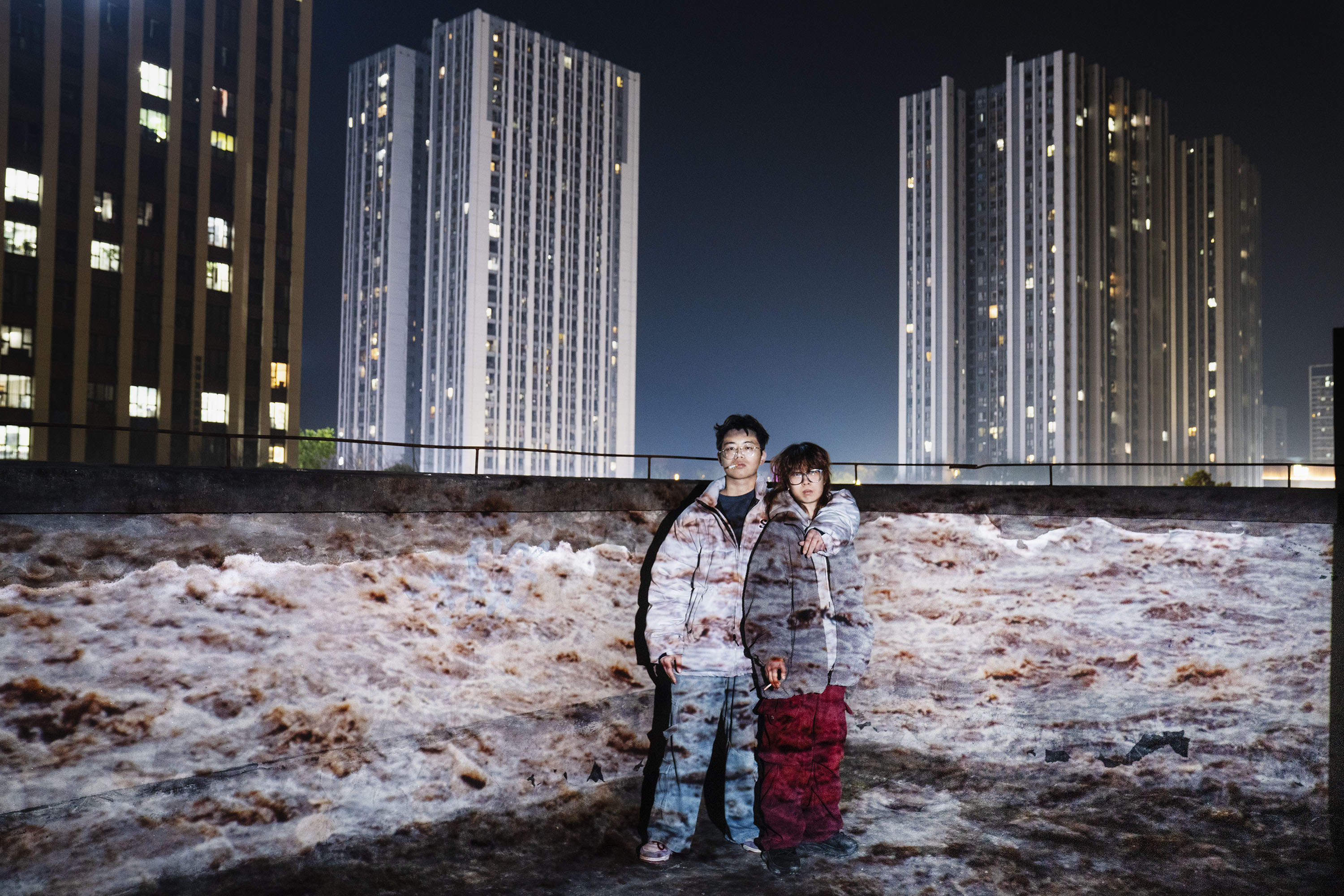
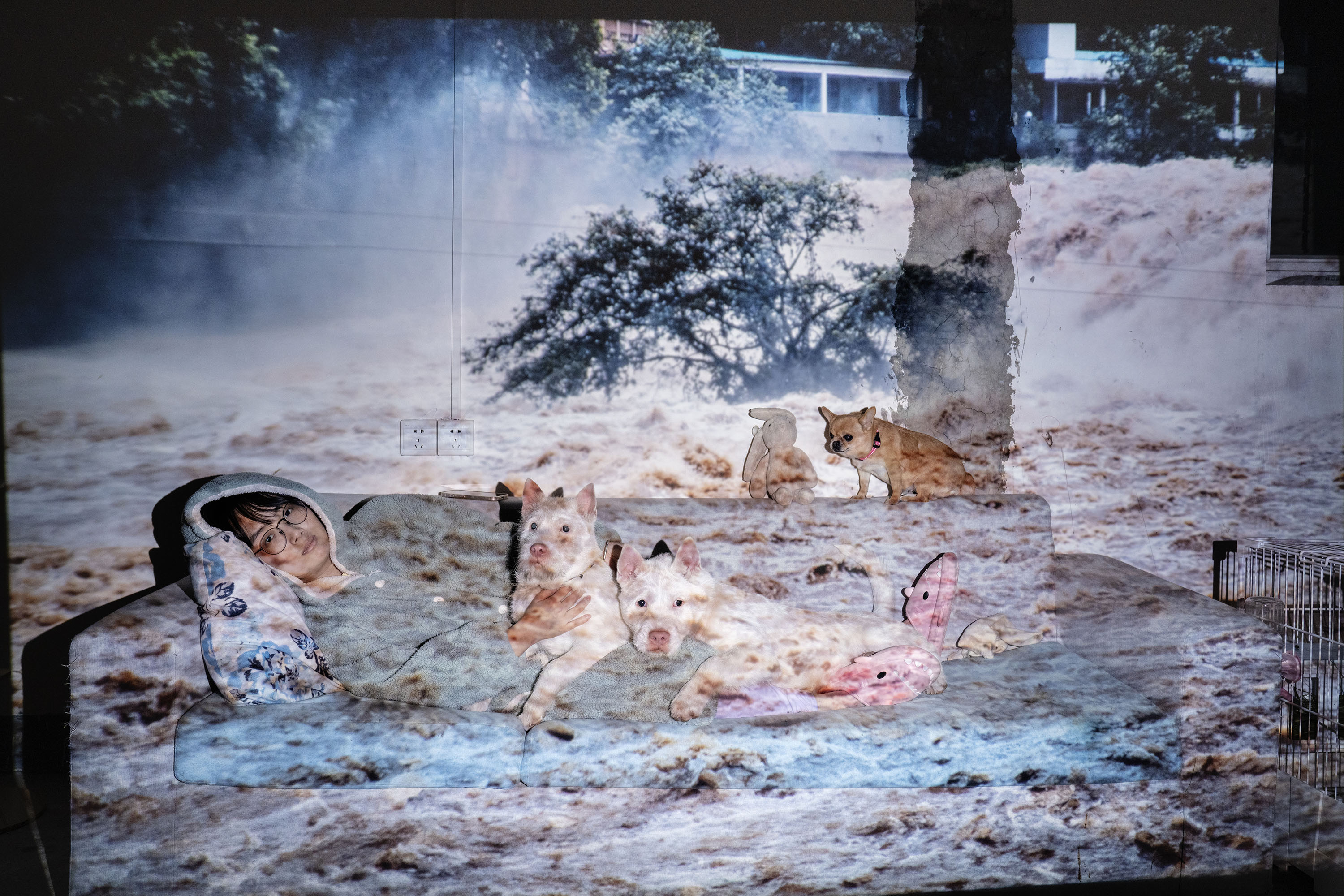
He is from Tuscany and she is from the Marche region; they launched the project in 2019, adding a new chapter each year to this ideal compendium of collective consciousness (and its absence): the Maldives, Mont Blanc, California, Mozambique, China, and finally Russia. Six chapters that have now become a book, recently published by L’Artiere and presented during the latest edition of the international photography festival Cortona On The Move.
The project, produced by at—which believed in and invested in the vision of the two photographers from the very beginning—has been enriched with a new, conceptual chapter dedicated to Livorno. This will be featured in the future communication of the regional transport operator, while some of the images from Atlas of the New World are already part of at’s new 2026 calendar.

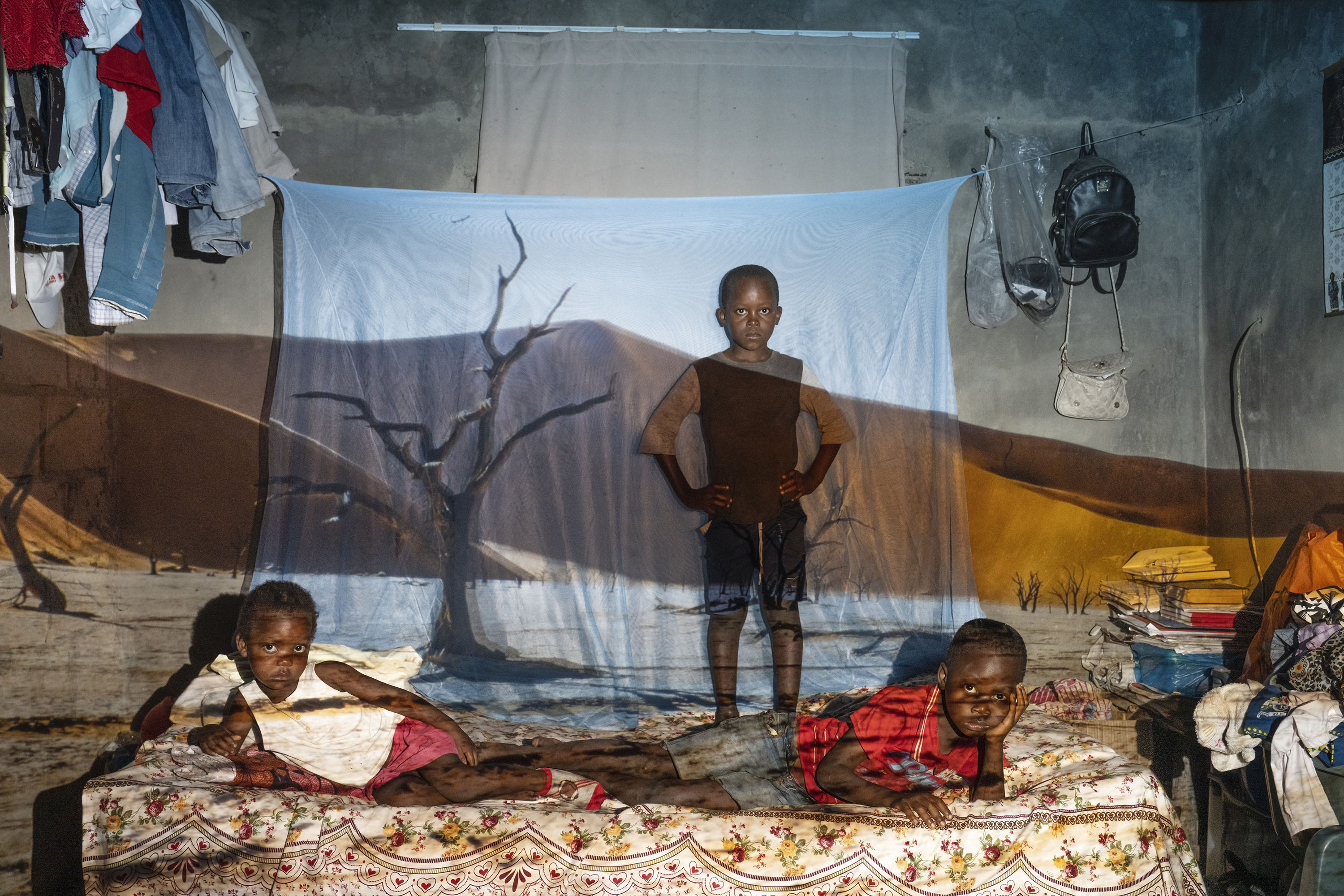
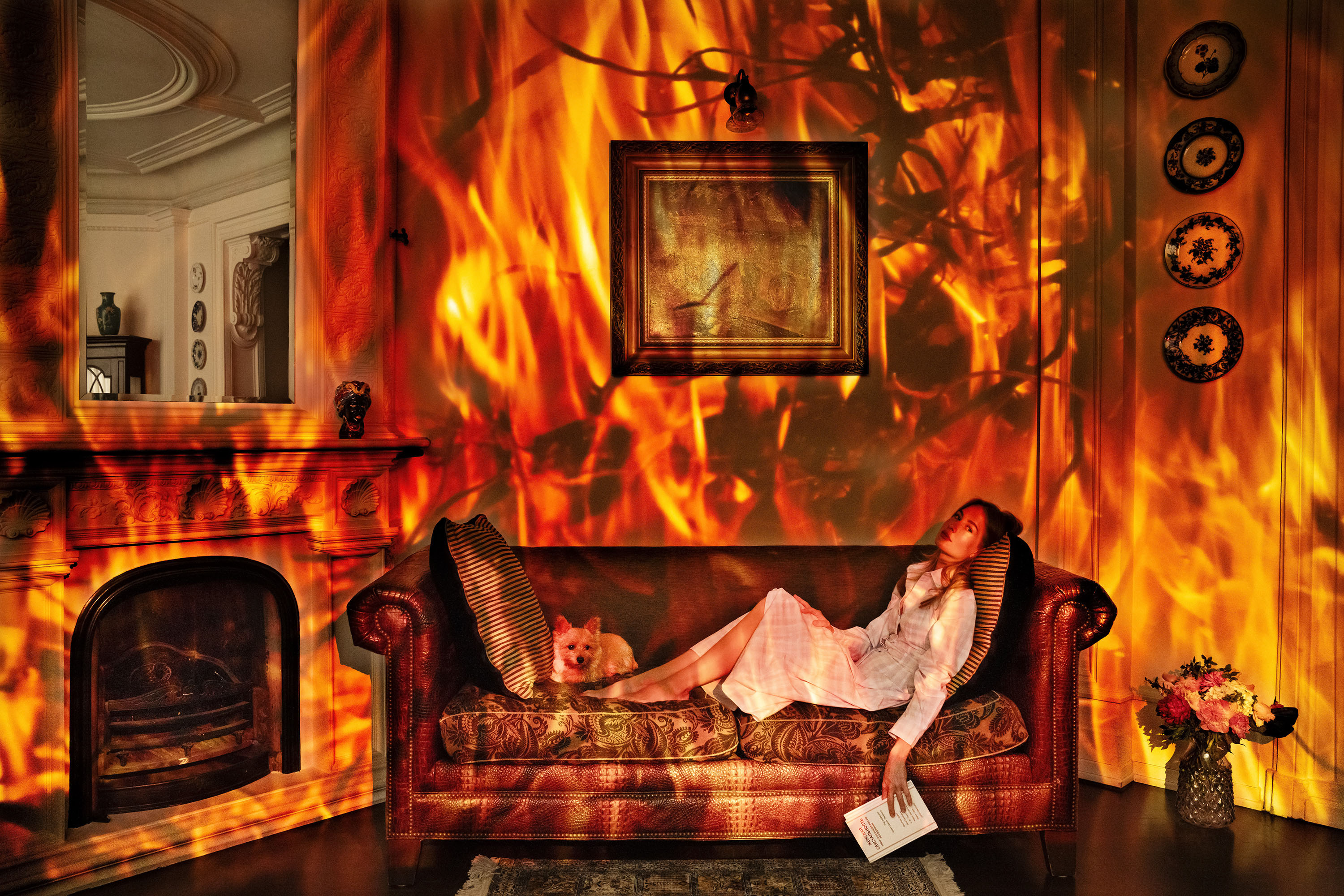
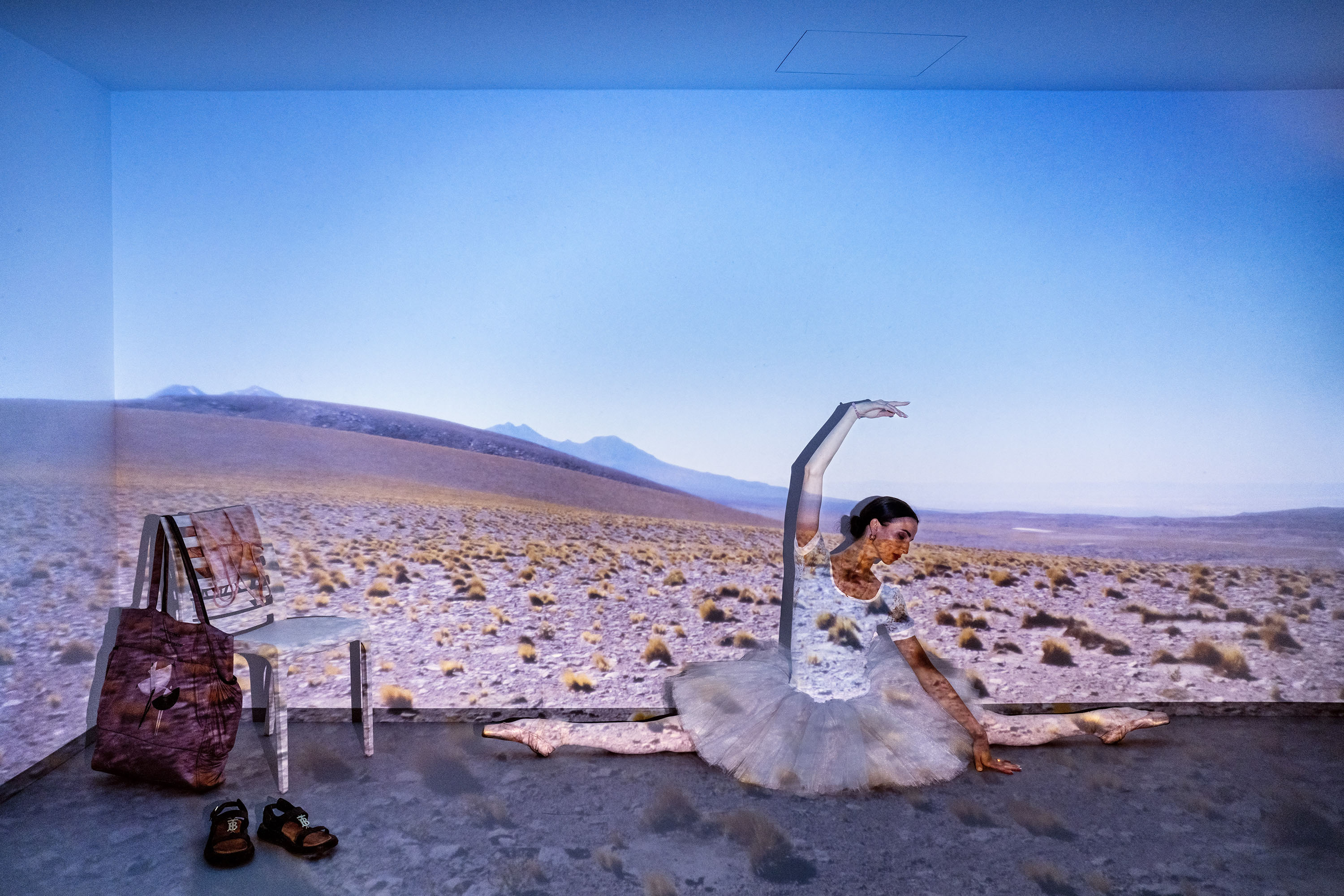
A dual-impact aesthetic
“With Edoardo – says Piermartiri – we usually work on current affairs projects, telling these kinds of stories. But in 2019, when we decided to begin this work on climate change, we set ourselves the challenge of placing viewers—who are often numbed by the images they receive every day from the media—in front of an even stronger image: the image of the future that awaits them, more in the short term than in the long. So we tried to imagine how we could depict these scenarios and decided to use a particular technique: projecting the image of what is to come—a sort of flash from the future—onto real life, which we then photographed around the world.”
The final result is a blend of beauty and paranoia, magnetism and apocalypse, with curious and captivating images in highly saturated colors that draw viewers in with their visual impact, only revealing a deeper level of interpretation at a later stage. For this reason, the photographs from the Atlas project are not only displayed in art galleries but also—by the photographers’ choice—in public spaces, in order to maximize their impact on viewers.
“Our images,” explains Delille, “have an aesthetic that intrigues while at the same time concealing what we should avoid in terms of behavior. For this reason, and this is one of the things we are most proud of, our work is very popular with children—they understand it. I believe this is the real strength of our project: the power, simplicity, and clarity of what we want to communicate, which makes it accessible to everyone. Including children, who will have to face those scenarios.”
The collaboration with at
Atlas of the New World is the result of the vision and sensitivity of the two photographers, but also of rigorous scientific research conducted by CNR climatologist Giulio Betti, who developed projections based on temperature increases recorded in recent years.
The partnership with at stems from a shared vision: environmental protection combined with a desire to present public transport in a different way—not by promoting the bus itself, but by confronting its users and community with the positive environmental impact of its use, in the hope that the apocalyptic scenarios imagined today will not become the reality of tomorrow.